Marijuana has been around for thousands of years, but it’s still a topic of heated debates around substance dependency. The research we have on marijuana doesn’t give us clear answers on its overall safety and validity in the recovery process, but this article can help you understand the difference between medical and recreational marijuana, and how marijuana may fit—or fall out of—your recovery journey.
What Is Medical Marijuana?
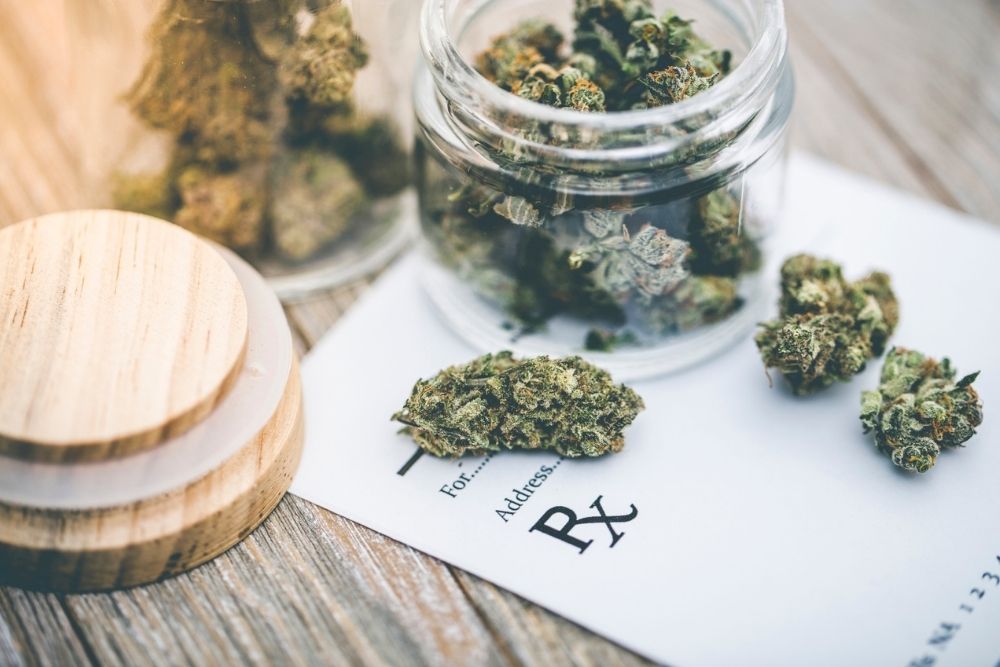
Marijuana (or any THC-infused products) that you may use specifically to help manage symptoms of a medical condition is considered medical marijuana. But, depending on your state, medical marijuana isn’t always legal. Certain healthcare providers may have the certifications to confirm you’re a medical marijuana user, which can help you purchase and consume it legally (while following certain rules, of course).
The most common medical conditions for which a provider may recommend medical marijuana can vary:
- Panic disorders: Symptoms stemming from anxiety and PTSD
- Chronic diseases: Complications and pain caused by Crohn’s disease, MS, ALS, glaucoma, and epilepsy or seizures
- Chronic pain: Neuropathic pain caused by HIV/AIDS or nausea and vomiting related to cancer treatment
While some research does show that many people who use medical marijuana report relief from chronic pain, insomnia, and anxiety symptoms, it isn’t federally legal, cannot be directly prescribed for any one condition, and may cause other health problems.
Does Marijuana Help More Than It Hurts?
Unfortunately, there is strong evidence that shows the negative effects of marijuana, particularly when it’s used at and from a young age:
- Poorer brain health: People can experience permanent IQ loss when they consume cannabis early in life.
- Daily dangers: Using marijuana can create dangerous driving conditions, lower your motivation to achieve in your career, make you perform worse academically and athletically, and even create relationship tension.
- Poorer mental health: While it can help with anxiety, depression, and even suicidal ideation for certain folks, marijuana can actually significantly worsen those symptoms and sometimes even trigger psychotic episodes.
This means that just because medical marijuana is legal in your state, it may not be helpful to you or anyone in recovery.
How Do You Access Medical Marijuana in Pennsylvania?
The process can vary from state to state, but applying for permission to purchase medical marijuana in Pennsylvania is a process:
- Register to become a medical marijuana patient.
- Secure a written certification from a registered medical-marijuana card provider.
- Pay for your medical marijuana ID card.
- Visit a licensed, registered marijuana dispensary with your state ID and your ID card.
- Consume it within the appropriate legal and medical boundaries communicated by your state and provider.
Generally, you’ll always have to be a legal adult to apply for a medical marijuana card, and your doctor will likely want to make sure the condition you’re struggling with could actually improve with marijuana. But your doctor isn’t obligated to give you a card just because you request one, and they may not even be legally allowed to provide one.
Medicinal vs. Recreational Marijuana
According to GoodRX, recreational marijuana is any marijuana or THC products that you can buy legally in your state for non-medical purposes—so you don’t need a medical ID card or your doctor’s permission to consume it. People have many reasons for using marijuana recreationally that aren’t based on scientific evidence, including:
- To help relieve stress
- To enhance spiritual and sexual activities
- To deepen their meditation, relaxation, or sleep quality
- To increase their appetite
- To help motivate exercise by helping speed up recovery time after a workout
Recreational marijuana also has its own parameters: You must be 21 or older to buy it at a dispensary in a state that has legalized it, but you don’t need to reside in the state you’re buying it in, and you cannot carry it across state lines.
Is Marijuana Safe For People in Recovery?
The jury is still out, and its safety may depend on which substances you’re in treatment for. The safest option is to avoid marijuana and any other mind-altering substances. But, here’s a more detailed breakdown of its pros and cons for people in recovery:
- Cons: Earlier research from 2005 showed that even medical marijuana may not be safe for people in recovery. That study showed that using it can actually indicate a strong chance of relapsing, particularly for people struggling with cocaine and alcohol dependence.
- Pros: More recent research from 2010 showed that it may not interfere with the success of residential or outpatient treatments, and people can still make huge strides in recovery while using marijuana.
If you struggle with SUD and another chronic condition that causes pain or negative mental health symptoms, our care team in Port Matilda can help you understand where you’re at in your recovery journey and help you weigh whether marijuana may be a harmful—or neutral—addition to your recovery plan (provided that you are a medical card holder).
Recovery Options in Pennsylvania
Whether you’re curious about how marijuana can affect your recovery, or you’re concerned you may be developing a dependence on marijuana, you have options in Wexford and Port Matilda when you’re ready to enter recovery for substances. Contact us today to learn more.
