
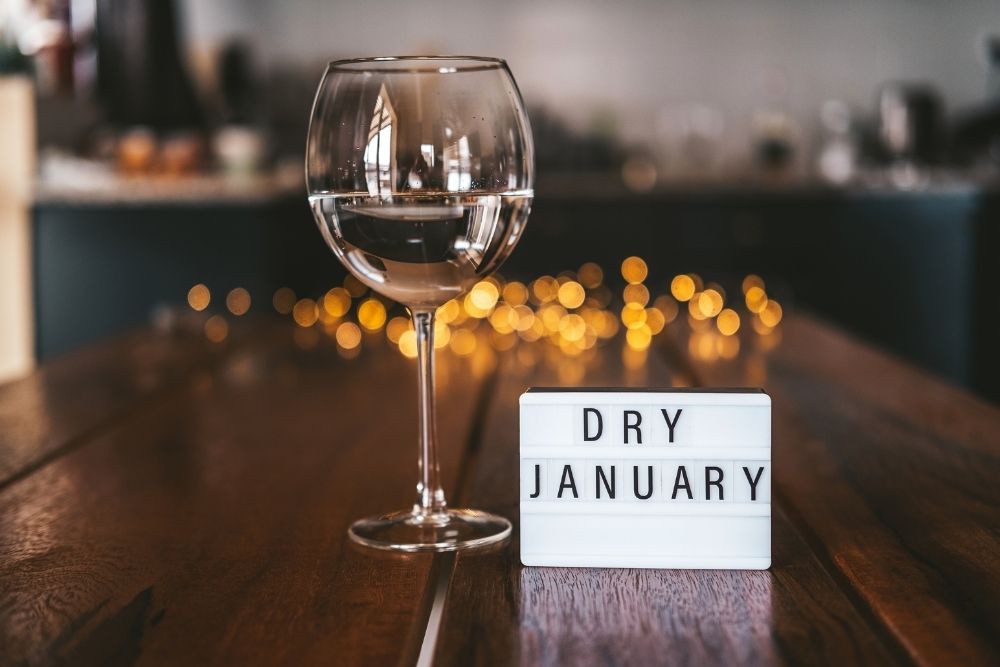
Time flies when you’re having fun, but January has a funny talent for going on and on with no fun in sight. One minute, you’re easing into the year with big intentions, and the next, it feels like an entire year flew by without ever reaching February.
But what if a January without alcohol could be fun?
According to Pennsylvania State University, Dry January began as a public health movement encouraging people to skip beer, wine, and spirits for the month and reimagine their relationship with alcohol. You can use the month to reset after the holidays, check in with your physical and mental health, or see it as a chance to notice patterns you might be ignoring.
Now, imagine going weeks without a drink and barely even thinking about alcohol. The new, substance-free ways you could have fun are the ingredients to a successful Dry January. Plus, one alcohol-free month could stretch on, especially when the benefits start stacking up in ways that actually feel good.
Let’s learn why extending or jumping-starting Dry January could feel surprisingly doable, what everyday benefits you might notice, and how support from St. Joseph Institute in Port Matilda, Pennsylvania, can help if taking a longer break starts to raise bigger questions for you.
Reasons to Cut Out Alcohol
Research suggests that alcohol can negatively influence your safety, finances, and relationships in ways you don’t always connect right away. Dry January could start as a short-term experiment to help you identify the areas of your life that your drinking might impact. You may find difficult decisions easier to make—or that mornings feel less torturous while seeing that your budget can go further without the added cost of alcohol.
These benefits may not be automatically obvious when you start, but over time, they can stack up:
- Safer decisions. Alcohol often lowers inhibition, which can lead to choices people regret later, so removing it from your life—even temporarily—could help you drive, socialize, or handle conflict better.
- Stronger relationships. Research shows that alcohol can sometimes complicate communication or create tension at home and work. Simply drinking less could change how your relationships feel over time, especially if you become more reliable, trustworthy, present, and coherent.
- More breathing room for your wallet. Alcohol-related costs can reach well over $1,000 per adult each year when you consider health care, legal issues, and lost productivity. Ubers, bar-hopping, drunk late-night food purchases, or missed shifts due to hangovers may be hitting your wallet harder than you realize. Cutting alcohol may help you save money to support your goals.
- Better health. Research links long-term alcohol use with increased risks for cancer, heart disease, liver issues, weakened immunity, and mood swings. Even stepping away for a while may give your body space to rest, recalibrate, and send clearer signals about what it needs.
Tips for Going Alcohol-Free This Season
If you’re thinking about extending Dry January, having a loose plan can make the experience feel less overwhelming.
- Get curious about your habits. Notice when and why you usually reach for a drink. You might drink to unwind, feel social, manage stress, or fall asleep. Once you spot the pattern, you can test other ways to meet that same need, like walking, stretching, calling a friend, or winding down with music or tea.
- Change your environment. Removing alcohol from your home or avoiding the alcohol aisle altogether can make a bigger difference than sheer willpower. Skipping that holiday bar crawl or the Christmas work party this season may also help reduce moments of temptation.
- Make non-alcoholic options appealing. Alcohol-free doesn’t have to mean boring. Sparkling water with citrus, infused water, fruit smoothies, specialty black coffee, or herbal tea can still feel special without the added sugar and calories. Having something you genuinely enjoy in your hand can make social situations feel more comfortable.
- Let people in on your plan. Telling friends or family what you’re doing could help reduce social pressure and invite support from people who can meet you where you’re at. You might even find someone who wants to join you for a walk, a movie night, or a cocktail-free dinner.
- Pay attention to how your body responds. You might have fewer hangovers, more energy, and clearer thinking. Jotting down changes in your sleep, energy, mood, digestion, or focus can help you decide whether extending your break feels right.
It’s also important to know that quitting alcohol suddenly may not be safe for everyone, since withdrawal symptoms can be severe. St. Joseph Institute’s detox program in Port Matilda offers a supervised setting where you can take that first step safely if needed.
Think Ahead to What Comes Next
When January ends, it can help to decide what you want your relationship with alcohol to look like moving forward. You might keep going alcohol-free, or aim to drink less often or in smaller amounts. Listening to how your body feels can guide that decision.
Find Support for Alcohol Use Disorder in Pennsylvania
Dry January often starts as a simple challenge, but it can open the door to deeper insight and extending it can empower you to live a fuller life. Contact our admissions team to get informed about our research-driven, compassionate services that can help you shift from a solo experiment into a supported experience that changes your life.
