
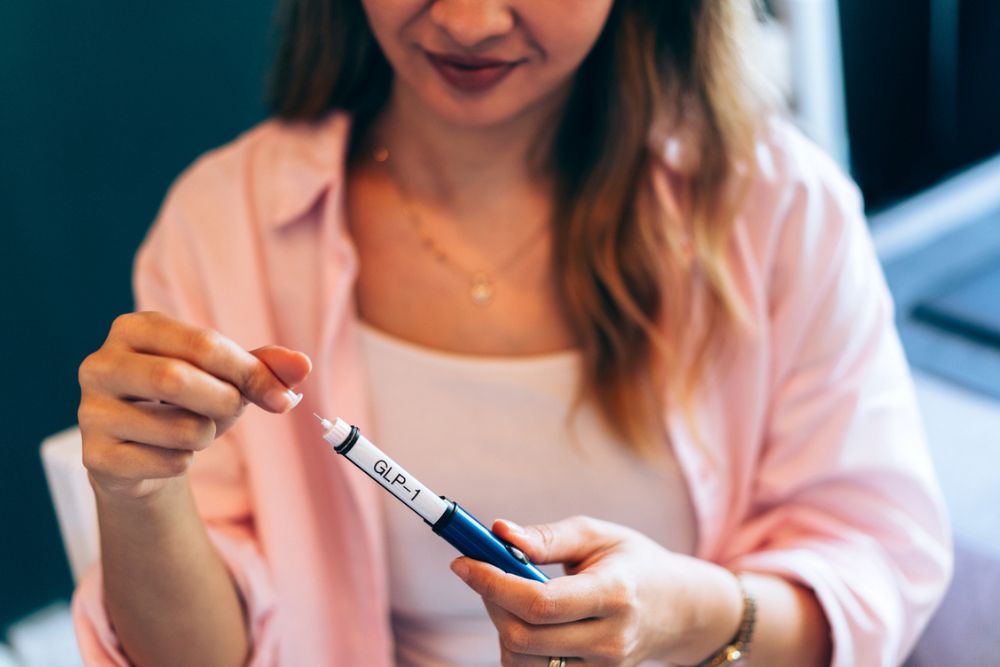
If you’ve ever been a part of conversations about substance use disorder (SUD), you may have noticed something encouraging: people increasingly view it as a health condition instead of a personal failing. This thought shift doesn’t mean SUD stigma no longer exists, but it can make it easier to seek help, talk openly, and recognize that recovery involves much more than willpower.
Something similar may be happening in the world of obesity treatment. According to research discussed in Science and Technology, medications known as GLP-1s may help people see obesity as a public health issue rather than a reflection of someone’s character or discipline.
Researchers are also wondering if this changing perspective could open the door to broader conversations about cravings, compulsive behaviors, and how new medications may support recovery and prevent relapse.
That possibility has many people asking new questions:
- If GLP-1 medications can affect appetite and food cravings, could they also help people manage alcohol cravings?
- As GLP-1s help society see that obesity and diabetes aren’t so much a personal failure but the result of several complex societal factors, can the same happen for SUD when treated with GLP-1s?
- Will it become easier to seek help, stay engaged in treatment, and build a recovery that lasts if more people recognized alcohol use disorder (AUD) as a health condition deserving compassionate care and medication, just like obesity?
How GLPs Work and Why Researchers Are Paying Attention
You may recognize some common GLP-1 medications:
- Wegovy
- Ozempic
- Zepbound
- Trulicity
- Rybelsus
They’re all GLP-1s, which stands for glucagon-like peptide-1 receptor agonist, and they do an excellent job of mimicking a hormone that your body makes on its own to help regulate blood sugar and appetite, according to the National Academy of Medicine.
Doctors originally developed these medications to help people manage Type 2 diabetes. Today, many do help treat obesity, but researchers continue to uncover benefits that reach far beyond weight management.
Most GLP-1 medications are injected weekly or daily, although some are available as pills, all of which can help:
- Slow stomach emptying
- Increase feelings of fullness after meals
- Reduce appetite throughout the day
- Help regulate blood sugar when levels rise
- Lower the risk of major cardiovascular issues in some populations
- Help treat conditions such as sleep apnea and MASH, a liver condition previously known as fatty liver disease
- Increase mental well-being
- Help with arthritis symptoms
For people in recovery, these findings may perk your ears a bit: Better sleep, improved health, greater energy, and fewer daily health challenges sound like just what the doctor ordered in residential treatment in Port Matilda. But what if there were even more benefits?
Researchers have started investigating whether GLP-1 medications affect some of the same brain systems involved in cravings and reward-seeking behavior. That possibility has fueled growing interest in how these medications could one day support people recovering from alcohol use disorder (AUD).
GLPs and Alcohol Cravings
This is where things become especially interesting. Researchers reviewing GLP-1 medications found growing evidence that these drugs cross into areas of the brain already linked to SUD. Just keep in mind that most of these findings come from laboratory and animal research rather than large human studies.
Here are the promising findings:
- Reduced alcohol-seeking behaviors in laboratory studies
- Lower alcohol consumption in animal models
- Delayed return to heavy drinking in relapse-related models
- Longer periods before taking a first drink after alcohol reintroduction
Scientists believe some of these effects may involve changes in dopamine-related signaling, although they continue to investigate the exact mechanisms.
Still, a few early human findings offer reasons for cautious optimism. One pilot study found that a GLP-1 medication increased nicotine abstinence and reduced nicotine cravings. Because researchers have observed overlapping reward pathways across several substance use disorders, these results have encouraged further investigation into alcohol-related applications.
Researchers at Yale also discovered another potentially important finding. GLP-1s appeared to reduce production of a harmful alcohol-related liver metabolite, which may help stop alcohol from damaging the liver. But, at the same time, they could also increase blood alcohol concentrations and prolong alcohol’s effects in the body.
Even if future studies confirm meaningful reductions in alcohol cravings, recovery would still require more than medication alone.
You may still need:
- Individual counseling
- Group therapy
- Relapse prevention planning
- Peer support
- Ongoing recovery monitoring
Recovery involves rebuilding routines, relationships, coping skills, and purpose. A medication might help lower the volume on cravings, but meaningful recovery often grows through consistent support and human connection, not just a pill.
Enter Future-Forward Recovery in Pennsylvania
GLP-1 medications may eventually become an important tool in AUD treatment. Early research points toward exciting possibilities, particularly around cravings, reward pathways, and relapse prevention, but researchers still need more human studies before they fully understand where these medications fit.
In the meantime, you can still thrive in recovery with things that have helped people for generations: connection, accountability, therapy, community, and ongoing support. At St. Joseph Institute, our programs near Port Matilda and Wexford help people build those foundations while staying informed about emerging treatment advances through our recovery blog.
